House fires remain a real concern in Philadelphia, especially in older sections of the city such as Queen Village, Brewerytown, and areas surrounding Penn’s Landing, where homes sit close together. Philadelphia Fire Department data shows that the city responds to thousands of fire incidents each year, with a significant portion occurring in residential properties.
The experts at Paul Davis Restoration are here to help you understand the common causes of property fire damage so you can safeguard your space. Many incidents begin with routine activities you barely think about. When you understand the top risks, you can take steps that meaningfully reduce them and protect your household.
Leading Causes of House Fires
A small group of issues is responsible for the vast majority of residential fire events, and staying aware of them helps you stay ahead of potential hazards and prevent the need for fire damage restoration after a disaster.
Why Fires Spread Quickly in Philadelphia Homes
Rowhome layouts allow flames to move between properties with surprising speed, especially when units share long, narrow walls. Dense neighborhoods and multi-unit buildings increase the potential for widespread damage before responders arrive. Older building materials can also contribute to faster fire growth. Prevention tip: maintain clear escape routes, test smoke alarms monthly, and keep doors closed at night to slow fire movement.
Cooking Accidents
Unattended stovetops and grease flare-ups are the leading cause of residential fires nationwide. Compact kitchens and shared walls in many Philadelphia houses can allow flames to travel quickly, especially when ventilation is limited. Prevention tip: stay within sight of your stove, keep flammable items away from burners, and store a small fire extinguisher in an easy-to-reach spot so you can act fast if needed.
Heating Equipment
Space heaters, furnaces, and fireplaces can spark fires when placed too close to fabrics or used without proper maintenance. Cold Philadelphia winters mean these systems run frequently, which increases the chance of malfunction. Prevention tip: give heaters several feet of clearance, clean furnace filters regularly, and schedule annual inspections to catch issues before they escalate.
Electrical Issues
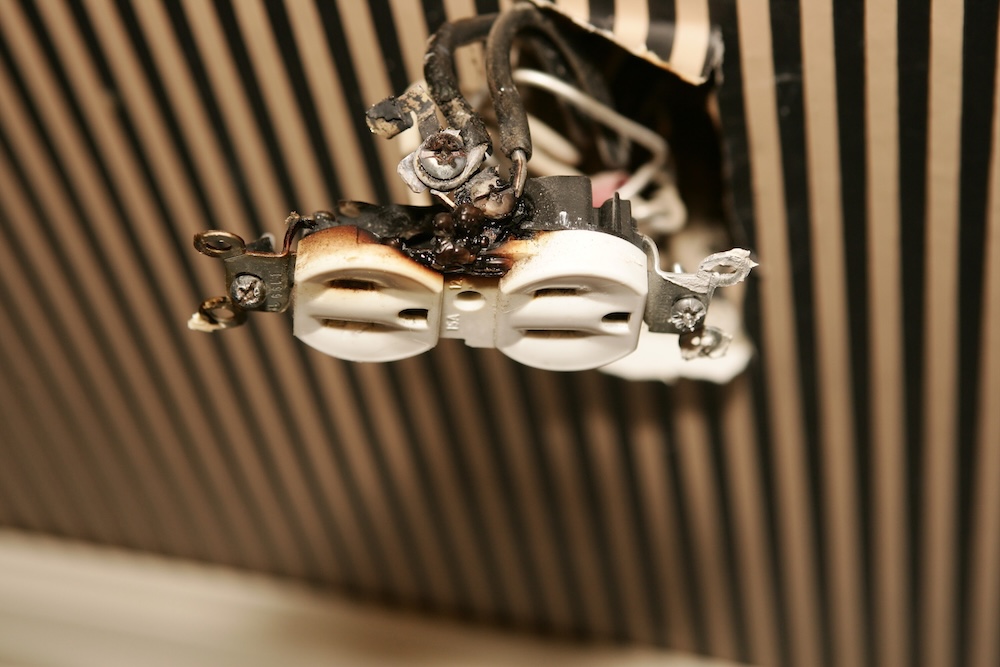
Faulty wiring, overloaded outlets, and outdated panels are common triggers that often go unnoticed until a problem occurs. Older Philadelphia homes are more likely to have aging electrical systems that struggle with modern appliances and electronics. Some homes in Philadelphia also have outdated types of wiring, such as aluminum, that are more prone to fire hazards. This becomes a larger risk the older the wiring becomes. If your home was built or renovated between 1965 and 1975, it’s important to make sure your electrical system uses modern wiring materials.
Prevention tip: avoid plugging multiple high‑demand devices into a single outlet, replace damaged cords promptly, and have a licensed electrician promptly evaluate any buzzing outlets or warm switch plates.
Candles and Smoking Indoors
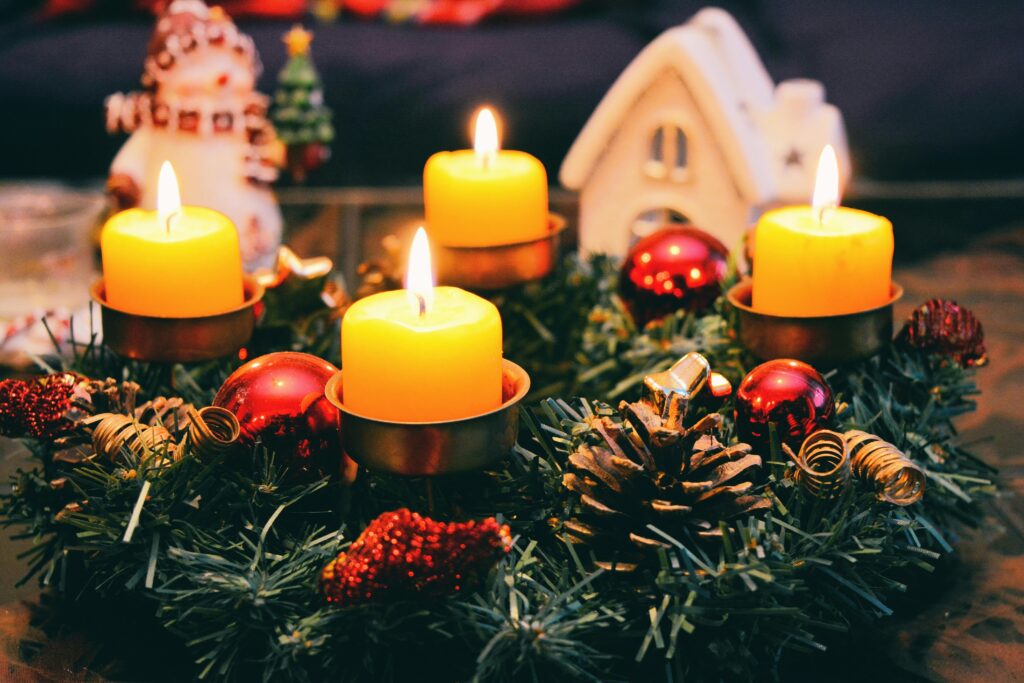
Candles placed near curtains, bedding, or clutter can ignite quickly, especially when left burning in another room. The risk increases during holidays or power outages when candles are used more often. Prevention tip: choose sturdy candle holders, keep flames away from anything that can ignite, and consider battery‑powered alternatives for everyday ambiance.
Fire Prevention is Crucial
Most residential fires are preventable when you understand the common causes of house fires and take simple precautions. Awareness, paired with consistent habits, helps you lower your risk significantly. If fire damage occurs, Paul Davis can assist you with full remediation, including cleanup from smoke, soot, firefighting chemicals, and water damage from the process of extinguishing the blaze. Whether you live near Rittenhouse Square or close to the Schuylkill River Trail, you can rely on expert support when you need it most.
When a fire disrupts your home, fast action makes all the difference in limiting damage. Contact Paul Davis today for expert fire damage restoration.